

Key Takeaways
- A dull, dry, or thinning coat is often one of the first visible signs of an underlying health issue.
- Nutritional deficiencies — particularly in fatty acids and protein — frequently show up in coat condition before other symptoms.
- Excessive shedding beyond seasonal norms can indicate stress, hormonal imbalance, or illness.
- Flaky skin, bald patches, or persistent scratching warrant a veterinary evaluation, not just more grooming.
- Regular coat checks at home are a simple, effective part of a daily care routine.
Coat as a Health Indicator
A pet's fur, skin, and shedding patterns are visible reflections of their internal health. Changes in coat texture, shine, density, or the skin beneath can signal shifts in nutrition, hydration, hormonal balance, or the presence of parasites and disease. Monitoring your pet's coat as part of routine care allows you to catch problems early, often before other symptoms appear.
Veterinarians assess coat quality using criteria such as hair shaft integrity, sebum production, and skin barrier function — all of which are influenced by systemic health factors including thyroid function, gastrointestinal absorption, and immune status.
Why the Coat Is a Window Into Overall Health
Fur and skin are not just cosmetic features — they are metabolically active tissues that demand consistent nutritional support and reflect the status of multiple internal systems. When something shifts internally, the coat is often where it shows first.
Healthy pets typically have coats that are soft or appropriately textured for their breed, with a natural sheen and minimal odor. The skin underneath should be supple, lightly moisturized by sebum, and free of flaking or redness. Any meaningful departure from your individual pet's baseline is worth paying attention to.
This is why coat checks belong in your daily care routine — not just as grooming, but as a form of early observation. See our guide to grooming routines by coat type for how to structure regular coat care based on your pet's specific fur.
~90%
Of skin conditions detectable through coat changes
Veterinary dermatologists estimate the vast majority of skin and coat disorders produce visible external signs before systemic symptoms appear.
30–40%
Of a pet's daily protein used for skin and coat
According to veterinary nutrition research, the integumentary system (skin, hair, nails) accounts for a disproportionately large share of dietary protein utilization.
1 in 5
Dogs affected by environmental or food allergies
Allergies — a leading cause of coat and skin changes — are among the most commonly diagnosed conditions in small animal veterinary practice.
Common Coat Changes and What They May Signal
Understanding what different coat changes can indicate helps you decide when to observe, when to adjust care, and when to call your vet.
Dullness or Loss of Sheen
A coat that has lost its luster often points to nutritional deficiencies — particularly inadequate dietary fat or protein — or to poor gastrointestinal absorption. Dehydration is another frequent culprit. If grooming frequency and diet haven't changed, dullness warrants a closer look. Understanding pet food labels can help you evaluate whether your pet's diet meets nutritional standards. See how to read a pet food label for guidance.
Excessive or Patchy Shedding
Some shedding is seasonal and normal, but hair loss that forms noticeable bald patches, occurs year-round at high volume, or clusters in specific areas may indicate hormonal disorders such as hypothyroidism or Cushing's disease, external parasites, or chronic stress. Environmental stressors can also trigger over-grooming behaviors that accelerate hair loss, particularly in cats.
Flaky Skin
Flaking — sometimes called dandruff in pets — can be caused by dry air, infrequent bathing, or insufficient dietary fatty acids, but persistent or severe flaking may indicate seborrhea, allergies, or a fungal condition. Bathing frequency matters here too: both over-bathing and under-bathing can disrupt the skin's natural barrier. See how often pets actually need a bath for veterinary-informed guidance.
Greasy or Waxy Coat
Excess oil production can signal sebaceous gland dysfunction or hormonal imbalance, and in cats, a greasy, unkempt coat is a common early indicator that something is wrong physically — since cats in good health are diligent self-groomers. Learn more about reading feline signals in our article on cat behavior cues.
Make Coat Checks Part of Every Grooming Session
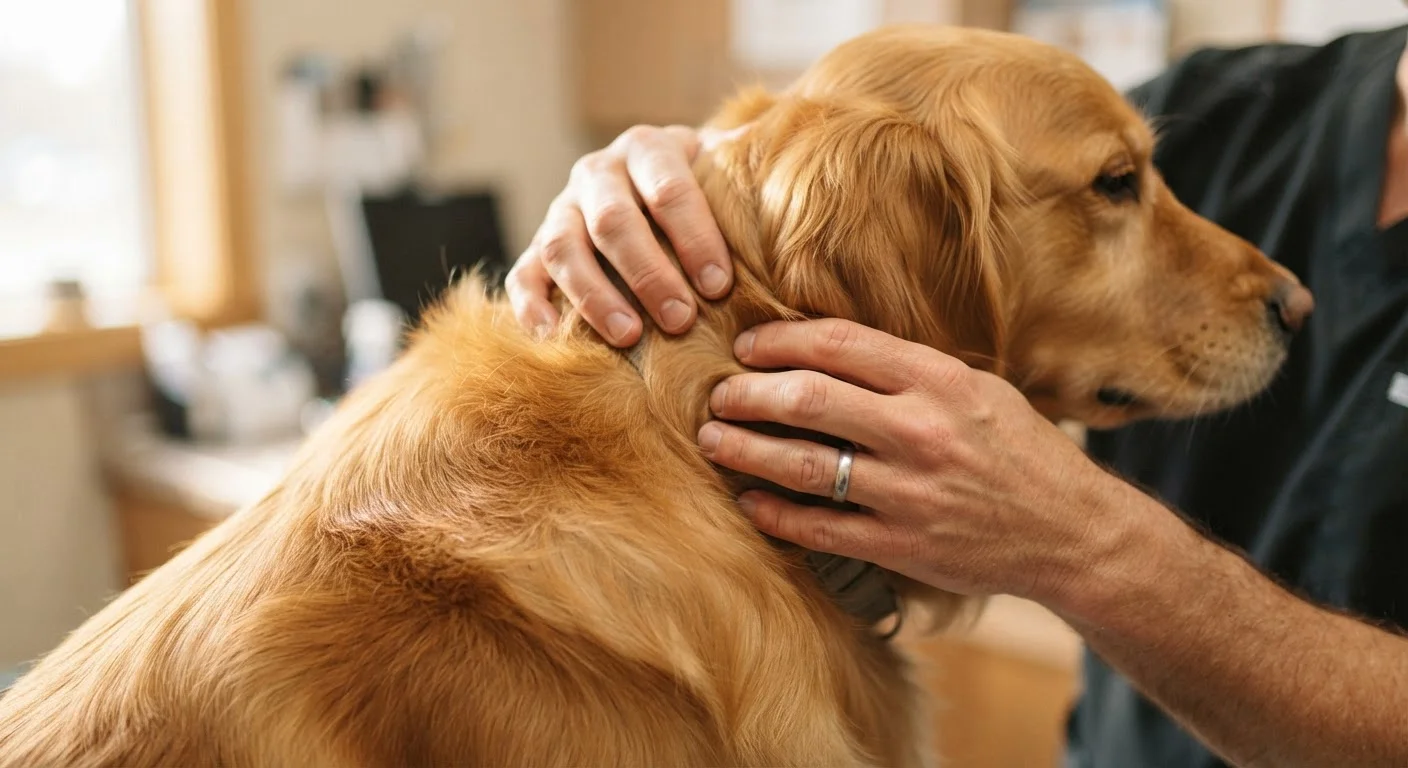
While brushing your pet, run your fingers through the fur down to skin level. Look for flaking, redness, unusual bumps, or areas where fur is thinning. Catching these early — before they become obvious — gives you a much wider window for intervention. A two-minute check during routine grooming can surface issues that might otherwise go unnoticed for weeks.
Nutrition's Role in Coat Quality
Diet is one of the most direct levers owners can pull to support coat health. Skin and hair follicles are among the body's highest-demand tissues for specific nutrients.
- Protein: Hair shafts are made primarily of keratin, a protein. Diets low in complete protein can cause brittle, thin fur.
- Omega-3 and Omega-6 fatty acids: These support the skin's lipid barrier, reduce inflammation, and give fur its characteristic sheen. Fatty acid imbalance is one of the most common diet-related coat complaints seen in veterinary practice.
- Zinc and B vitamins: Deficiencies in either can cause coat thinning, skin lesions, or scaling, particularly around the face and paws.
Abrupt diet changes can temporarily worsen coat condition even when the new diet is nutritionally superior, as the body adjusts. Gradual transitions over one to two weeks are generally recommended by veterinarians.
“The skin and coat are the largest organ system in dogs and cats. What we see on the outside is directly shaped by what's happening nutritionally and metabolically on the inside — it's one of the most informative things a clinician observes.”
— Veterinary Dermatology Consensus Panel, Recognized framework in small animal veterinary dermatology
When to Move Beyond Home Observation
Routine coat monitoring is valuable, but some changes fall outside the scope of grooming adjustments or dietary tweaks. Contact your veterinarian if you observe:
- Bald patches or symmetrical hair loss (often a hormonal signal)
- Redness, sores, or crusting on the skin
- A foul or unusual odor from the coat or skin
- Intense, persistent scratching, licking, or chewing at one area
- A sudden and unexplained change in coat texture or density
These signs may require diagnostic testing — blood panels to assess thyroid or adrenal function, skin scrapes to check for mites, or allergy testing — rather than grooming interventions alone.
It's worth noting that coat changes sometimes parallel what we see in human hair health. If you're curious about that parallel, the article what your hair strands reveal about your body explores similar signals in humans. The underlying principle — that external hair and skin conditions reflect internal health — applies across species.
For a broader look at pet health misconceptions, including some related to skin and coat, see common pet health myths debunked.
This article is for general informational purposes only and does not constitute veterinary medical advice. Always consult a licensed veterinarian for concerns about your individual pet's health.