

Key Takeaways
- Most healthy dogs need a bath roughly every four to six weeks, though breed and lifestyle vary this considerably.
- Cats are generally self-grooming and rarely need baths unless medically indicated or advised by a vet.
- Over-bathing removes protective skin oils and can trigger dryness, flaking, or increased shedding.
- Pets with skin conditions, allergies, or parasites may require more frequent bathing with medicated shampoos under veterinary guidance.
- Activity level and environment — such as swimming, rolling in mud, or outdoor time — are practical factors that should adjust any default schedule.
- Always consult a veterinarian or certified groomer before establishing a bathing routine for pets with health concerns.
Pet Bathing Frequency
Bathing frequency refers to how often a pet should be washed to maintain healthy skin and coat without disrupting natural oils or causing irritation. There is no universal schedule — the right interval depends on the species, breed, coat type, activity level, and any underlying skin conditions. Over-bathing can strip protective oils and cause dryness, while under-bathing may allow debris, allergens, or odor to accumulate.
Veterinary dermatologists often refer to the skin's natural microbiome and sebaceous secretions when advising on bathing intervals — disrupting these can predispose pets to secondary bacterial or yeast infections.
Why There Is No Single Answer
One of the most common misconceptions among pet owners is that bathing follows a fixed calendar — once a week, once a month, done. In reality, the right bathing frequency is shaped by a combination of factors that vary from pet to pet. Veterinary dermatologists consistently emphasize that no universal schedule exists, and that both over-bathing and under-bathing carry real health consequences.
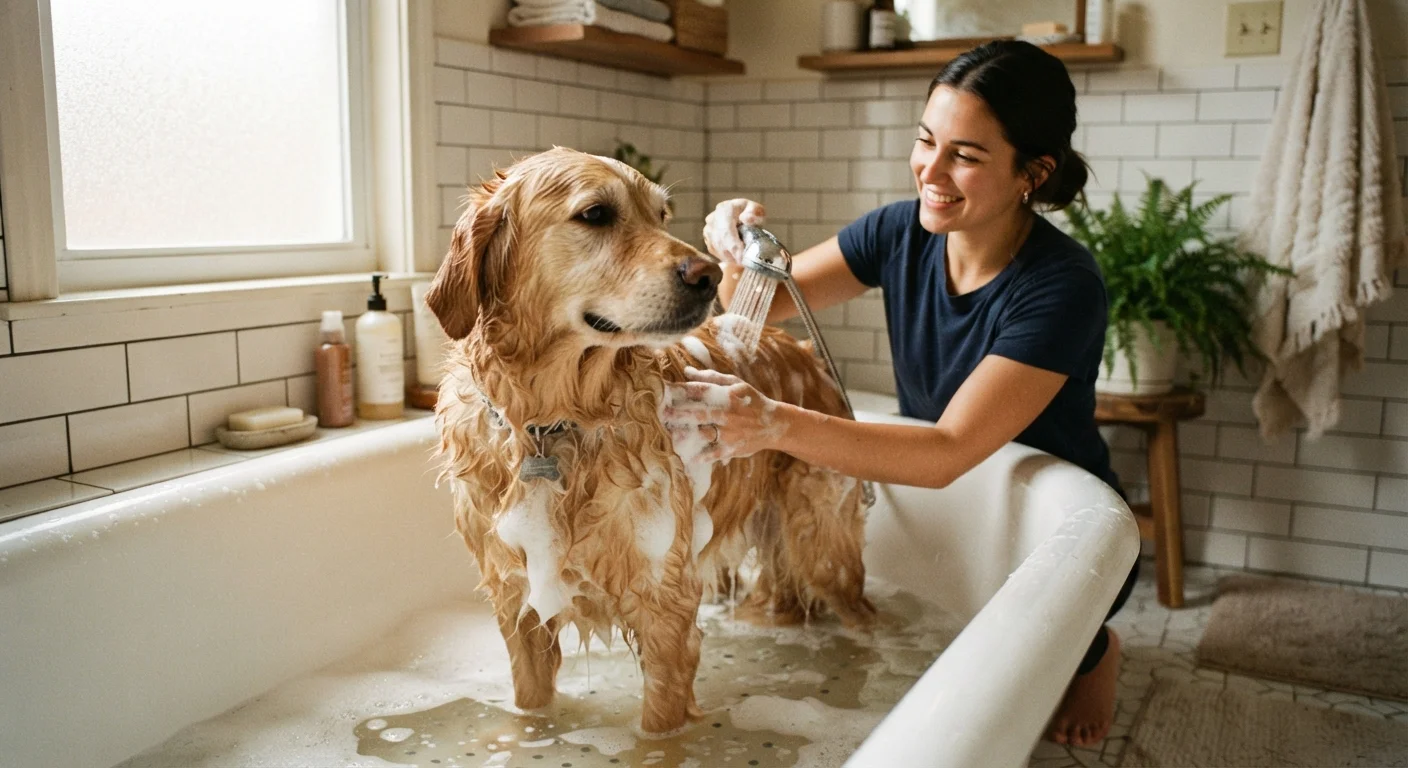
For dogs, the general baseline most veterinarians cite is once every four to six weeks for a healthy adult with a typical coat. But that figure shifts quickly based on breed, lifestyle, coat type, and skin health. A water-loving Labrador who swims weekly has different needs than a small indoor companion breed that rarely ventures outside. Similarly, senior pets and those with mobility issues may need more frequent assistance with grooming tasks they can no longer perform themselves. For related context on how care needs evolve through a pet's life, see our guide to exercise and care across life stages.
When Activity Changes the Equation
The four-to-six-week guideline applies to typical indoor or lightly active pets. If your dog swims regularly, works outdoors, or frequents dog parks, you may need to bathe more often — but this should still be balanced against skin health. Using a gentle, moisturizing shampoo and ensuring complete drying after each bath helps mitigate the risk of over-bathing when frequency increases.
Dogs: Key Variables That Shape the Schedule
Several well-established factors influence how often a dog should be bathed:
- Coat type: Double-coated breeds like Huskies or Golden Retrievers may mat if bathed too often without thorough drying. Oily-coated breeds such as Basset Hounds tend to need more frequent washing. Wire-coated or short-haired dogs often tolerate longer intervals.
- Skin condition: Dogs with diagnosed skin conditions — including allergies, seborrhea, or fungal infections — may require medicated baths prescribed by a veterinarian, sometimes weekly. Never begin a medicated bathing regimen without professional guidance.
- Activity and environment: A dog that regularly rolls in mud, swims in ponds, or spends significant time outdoors will accumulate more debris and odor than an indoor pet. Practical judgment should always supplement any default schedule.
- Puppy considerations: Puppies can be bathed, but their skin is more sensitive than adult dogs. Veterinarians generally advise waiting until a puppy is at least eight weeks old and ensuring thorough drying to prevent chilling.
Your pet's coat can also reflect internal health, not just hygiene. Our article on what your pet's coat is telling you explains what changes in fur texture and condition may signal.
Brush Before You Bathe
Always brush your dog's coat before bathing, especially if they have a long or dense coat. Mats become significantly harder to remove once wet, and bathing a tangled coat can tighten knots to the point where professional grooming intervention is needed. A thorough pre-bath brush-out saves time and reduces post-bath coat damage.
Cats and Other Pets: A Different Picture
Cats occupy a fundamentally different position. A healthy cat is an efficient self-groomer, spending a significant portion of each day maintaining its own coat. Routine bathing is not part of standard feline care for most cats. Situations where a bath may be warranted include: exposure to a toxic or sticky substance that cannot be safely ingested during self-grooming, veterinary recommendation for a skin condition, or a cat that is physically unable to groom due to obesity, arthritis, or illness.
Small animals such as rabbits should almost never be bathed — full-body baths are considered stressful and potentially dangerous for rabbits, who are prone to hypothermia and shock. Guinea pigs are also largely self-cleaning. Birds handle their own feather maintenance and should not be submerged. If you have questions about hygiene for any exotic or small animal, a veterinarian with experience in that species is your most reliable resource.
It is also worth separating routine hygiene from health concerns. If your cat's coat suddenly appears greasy, matted, or unkempt, that is typically a signal to see a vet — not to start baths. Our article on common pet health myths covers several widely held misconceptions about grooming and hygiene that are worth reviewing.
Practical Guidance for Establishing a Routine
Once you understand the variables, establishing a reasonable bathing routine becomes more straightforward. A few principles drawn from veterinary guidance apply broadly:
- Start with your vet's input. Before settling on a schedule — especially for a new pet, a puppy or kitten, or an animal with any skin history — ask your veterinarian what they recommend for your specific animal.
- Use species- and pH-appropriate products. Human shampoos disrupt the skin's pH balance in dogs and cats. Always use a product formulated for your pet's species; for skin conditions, use only what your vet prescribes.
- Rinse thoroughly. Residual shampoo is a common cause of post-bath itching and skin irritation. Ensure all product is fully rinsed from the coat, particularly in skin folds and behind the ears.
- Dry completely. Damp skin and coat, especially in double-coated or densely furred breeds, can harbor bacteria and yeast. Towel dry thoroughly and use a low-heat dryer if needed, keeping it at a safe distance to avoid burns.
Bathing routines may also need seasonal adjustment — allergen levels, humidity, and outdoor exposure all shift throughout the year. Our seasonal pet care guide offers practical advice for adapting your pet's routine as conditions change.
4–6 weeks
Recommended bathing interval for most healthy adult dogs
This general guideline is widely cited by veterinary dermatologists, though it adjusts significantly based on breed, coat type, and lifestyle factors.
~30–50%
Of a cat's waking time spent self-grooming
Veterinary behaviorists note that cats dedicate a substantial portion of daily activity to coat maintenance, making routine human-administered baths unnecessary for most healthy cats.
~7.5
Approximate skin pH of dogs (vs. 5.5 in humans)
The pH difference between canine and human skin is the primary reason human shampoos are inappropriate for dogs and can disrupt the skin barrier with regular use.
This article provides general educational information about pet care and is not a substitute for professional veterinary advice. Always consult a licensed veterinarian for guidance tailored to your individual pet's health and needs.