

Key Takeaways
- A wellness exam covers far more than vaccinations — it's a full physical assessment of your pet's health.
- Vets can detect early-stage conditions like heart murmurs, dental disease, and weight changes before symptoms appear.
- Most healthy adult pets benefit from at least one exam per year; senior pets typically need twice-yearly visits.
- Skipping annual exams creates gaps in your pet's health record that can slow diagnosis if problems arise.
- You can support vet visits with regular at-home monitoring between appointments.
Annual Veterinary Wellness Exam
An annual wellness exam is a routine, head-to-tail physical checkup performed by a licensed veterinarian — typically once a year for healthy adult pets. Its purpose is to assess your pet's overall health, update preventive care, and detect any developing conditions before they become serious problems. It is distinct from a sick visit: you're not there because something is wrong, but to confirm everything is right.
Veterinarians use the wellness exam to establish a baseline of normal values for your individual pet — weight, heart rate, body condition score — making future deviations easier to identify.
What Actually Happens During the Exam
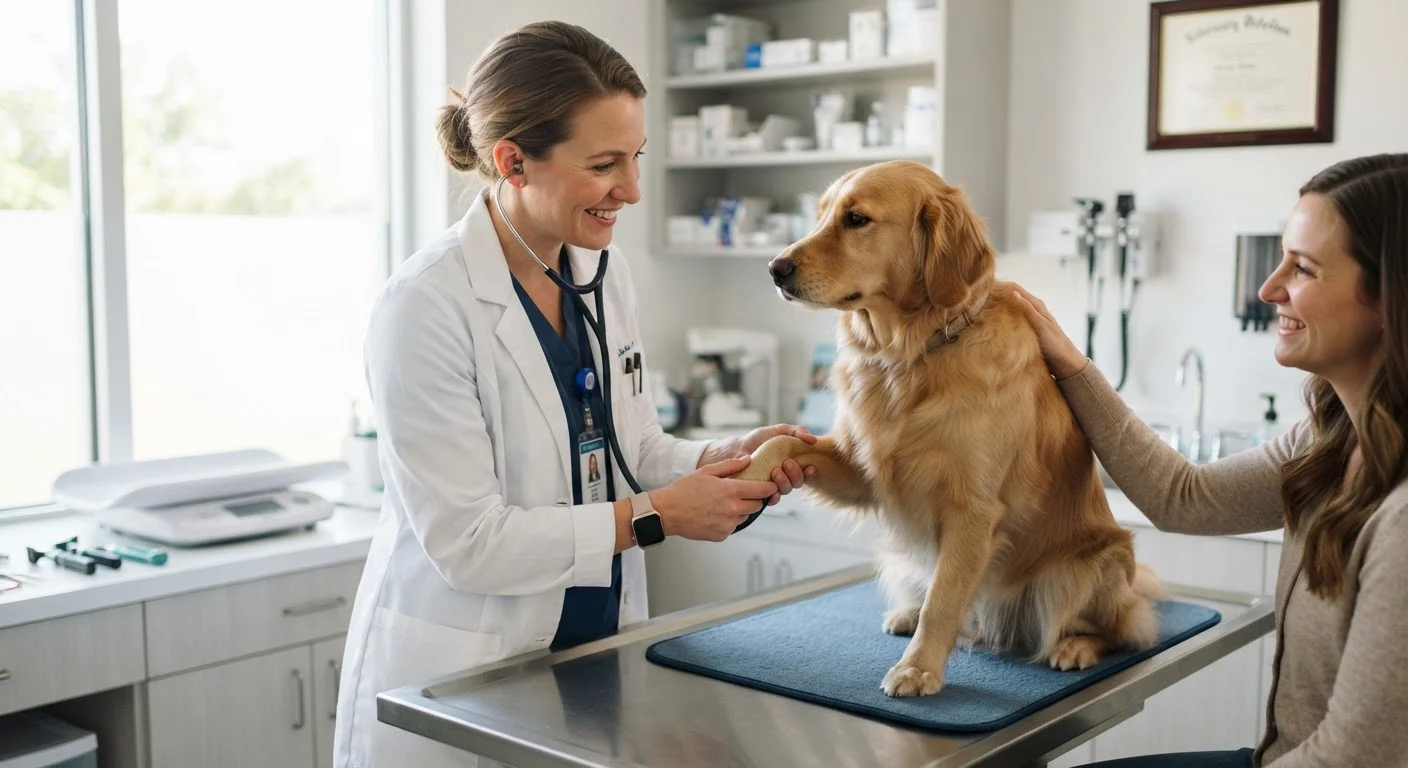
When you walk into the exam room, the wellness visit begins before the vet even enters. A veterinary technician typically records your pet's weight, temperature, pulse, and respiratory rate — four baseline vitals that form the foundation of every health assessment. These numbers are compared against your pet's previous records to flag trends, not just one-time readings.
The veterinarian then conducts a systematic physical exam that moves through the body in a consistent order:
- Eyes and ears: Checked for discharge, cloudiness, redness, or signs of infection and ear mites.
- Mouth and teeth: Dental disease affects the majority of adult pets and is frequently discovered here, well before it causes visible pain.
- Lymph nodes and skin: Swollen nodes or skin lumps can be early indicators of infection or other conditions.
- Heart and lungs: A stethoscope detects murmurs, irregular rhythms, or abnormal breath sounds that owners cannot hear.
- Abdomen: Palpation allows the vet to assess organ size and detect masses or tenderness.
- Musculoskeletal system: Joint stiffness and muscle loss — especially in aging pets — are assessed through movement and touch.
The exam concludes with a review of your pet's vaccination record, parasite prevention status, and any lab work the vet recommends based on age, lifestyle, or risk factors. See our overview of parasite prevention to understand what those recommendations typically address.
Prepare a Short List Before You Go
Write down any changes you've noticed in your pet's behavior, appetite, water intake, or bathroom habits before the appointment — even if they seem minor. Vets rely heavily on owner observations to guide what they look for during the exam. A 60-second note before you leave home can make a meaningful difference in the visit's thoroughness.
Why Early Detection Is the Core Value
The most important thing a wellness exam does is establish a baseline — a documented record of what normal looks like for your specific pet. Without that baseline, a veterinarian treating your animal during an illness has no reference point. Is this heart rate elevated for this dog, or typical? Has this cat lost weight gradually over two years, or is this sudden?
Conditions that are routinely caught during wellness exams — before the owner noticed any symptoms — include early-stage kidney disease, dental abscesses, heart murmurs, hyperthyroidism in cats, and early joint disease. These are not rare discoveries. They are common findings that, when caught early, typically offer more treatment options and better outcomes than when identified late.
80%
Adult dogs with dental disease by age 3
According to the American Veterinary Medical Association, the majority of dogs show signs of periodontal disease by their third year — most of which are detected during routine exams.
2x/year
Recommended exam frequency for senior pets
Most veterinary guidelines recommend twice-yearly wellness visits for senior dogs and cats, reflecting the accelerated pace at which age-related conditions can develop.
This is the distinction between preventive and reactive care: preventive care addresses risk before it becomes disease. Reactive care responds to a problem that has already developed. Both have a role, but wellness exams make preventive care actionable.
When Frequency Should Increase
Annual exams are appropriate for most healthy adult pets, but that interval is not universal. Puppies and kittens require multiple visits in their first year to complete vaccination series and developmental assessments. At the other end of the life spectrum, senior pets age physiologically faster than their calendar years suggest — which is why most veterinary guidelines recommend twice-yearly exams once a pet enters their senior life stage.
For dogs, that threshold is generally around age 7, though large and giant breeds tend to age more quickly. For cats, senior care considerations typically begin around age 10. Our guide to senior pet health priorities covers what those more frequent visits specifically look for.
Pets with chronic conditions — diabetes, arthritis, heart disease, thyroid disorders — may need even more frequent monitoring regardless of age. Your vet will recommend a schedule calibrated to your animal's specific situation.
New to Pet Ownership?
If this is your first pet, establishing a relationship with a veterinarian before health problems arise is one of the most important early steps. Our first-pet health primer covers how to find a vet and what to expect in your first year of care.
Between visits, regular at-home observation is a meaningful complement to professional care. Our home health check guide provides a practical checklist for what to monitor and when to call the clinic.
This article is for general informational and educational purposes only and does not constitute veterinary or medical advice. Always consult a licensed veterinarian for guidance specific to your pet's health needs.