

Key Takeaways
- Every room in your home contains at least one hidden hazard for pets — a systematic walkthrough catches what casual glances miss.
- Toxic plants, unsecured cabinets, loose cords, and certain foods are among the most common and preventable pet dangers.
- Pet-proofing is not a one-time task; it should be revisited whenever your home layout changes or a new pet arrives.
- Small and young animals require stricter precautions than adult dogs or cats due to their curiosity and size.
- Consulting your veterinarian about species-specific risks is always worthwhile before and after making changes.
Summary
24 items · 45–90 minutes
Why a Room-by-Room Approach Works
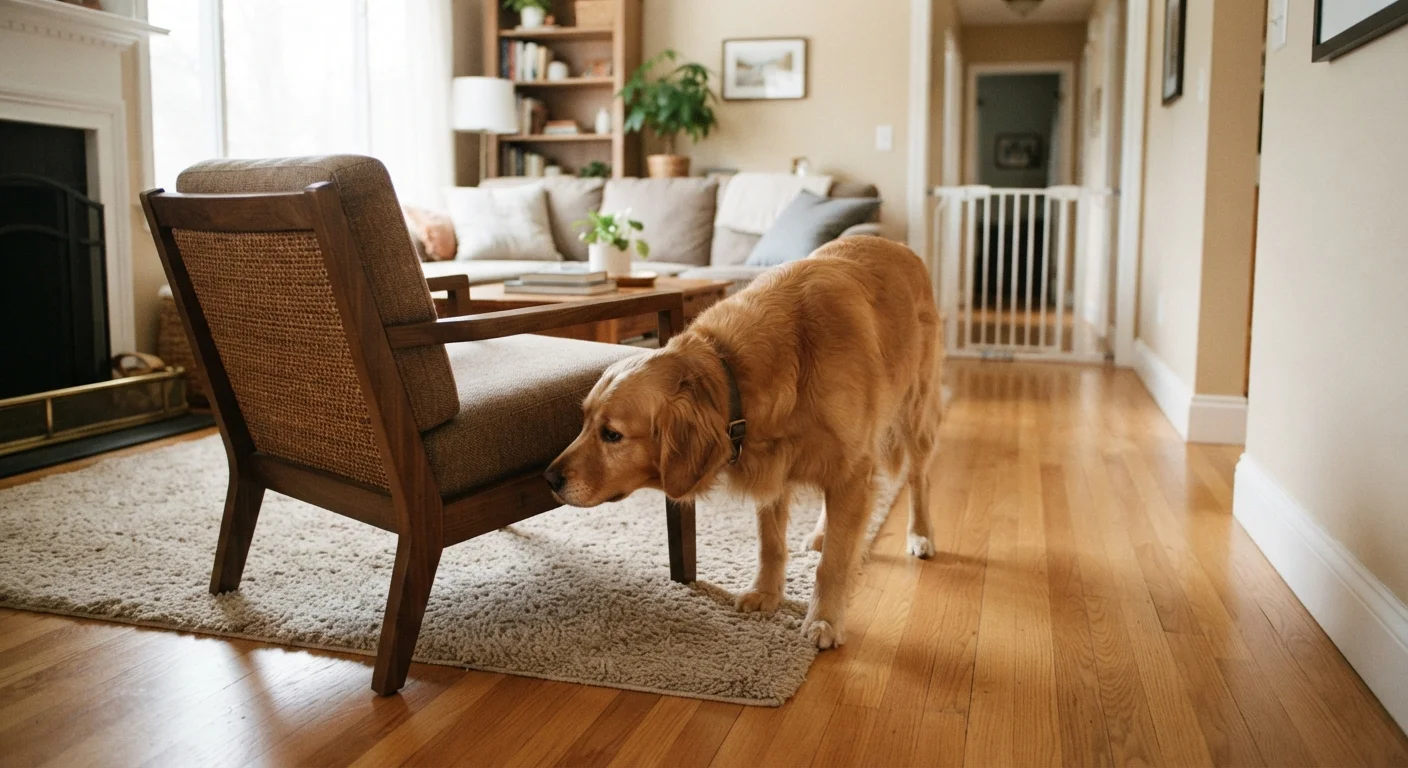
Most pet owners think about safety in broad strokes — keeping the trash lidded, storing medications up high — but hazards don't organize themselves by category. They cluster by location. A kitchen presents entirely different risks than a bathroom or a garage. Walking through your home one room at a time forces you to see each space through your pet's eyes: nose-level chemicals, chewable wiring, and accessible trash all look very different from four inches off the ground than from standing height.
This checklist is designed for dog and cat owners primarily, but many items apply equally to small mammals, birds, and reptiles. For species-specific enclosure and housing considerations, see our guide on housing options for small pets. For a broader overview of substances that require urgent attention, our reference on household substances toxic to pets is a valuable companion read.
Kitchen
Living Room & Common Areas
Bathroom
Bedroom & Laundry
Garage & Outdoor Spaces
Tools You'll Need for the Walkthrough
Before you begin, gather a few practical supplies so you can address issues on the spot rather than making a mental list and forgetting half of it.
Cord organizers or spiral cable wrap
Bundle and protect electrical cords from chewing throughout the home.
Cabinet safety latches
Prevent pets from pawing open lower cabinets containing hazardous items.
Lidded, pet-resistant trash cans
Block access to discarded food, wrappers, and household waste.
Baby or pet gates
Restrict access to specific rooms, staircases, or zones during the transition period.
Sticky notes or a checklist printout
Track items as you move through each room so nothing gets skipped.
Flashlight or phone torch
Illuminate behind appliances, under furniture, and inside cabinets to spot hidden hazards.
Critical Hazards That Span Every Room
Act Immediately if Ingestion Is Suspected
If you believe your pet has ingested a toxic substance — whether a cleaning product, medication, plant, or food — contact your veterinarian or the ASPCA Animal Poison Control Center (888-426-4435) without delay. Do not wait for symptoms to appear; many toxins cause serious harm before visible signs develop. Time is a critical factor in treatment outcomes, so err on the side of calling even when you're unsure.
Beyond individual rooms, certain hazard categories appear throughout the home. Electrical cords are present in nearly every space and pose a chewing risk that can cause burns, electrocution, or fire. Plants — whether potted on windowsills, in hanging baskets, or arranged as centerpieces — can be toxic to pets even in small quantities. The ASPCA maintains a well-known database of toxic and non-toxic plants that is worth consulting when evaluating your collection.
Diet-related dangers also extend into every room where food is stored, prepared, or consumed. Common table foods including grapes, raisins, onions, xylitol-sweetened products, and macadamia nuts are harmful to dogs and cats. For a fuller picture of how feeding choices affect long-term pet health, see our article on feeding mistakes that can quietly harm your pet.
Scented Products Pose Hidden Risks
Essential oil diffusers, scented candles, air fresheners, and dryer sheets can irritate or harm pets even without direct contact. Cats in particular lack certain liver enzymes needed to metabolize compounds found in many essential oils, making exposure especially dangerous. When in doubt, keep these products in rooms pets cannot access and ensure good ventilation.
After the Walkthrough: Maintaining a Safe Home
Pet-proofing is most effective when it becomes a habit rather than a single project. Seasonal changes bring new risks — holiday decorations, antifreeze in winter, open windows in summer — and your home's hazard profile shifts whenever you redecorate, renovate, or welcome a new animal. Our guide to seasonal pet care covers how to adapt your routines throughout the year.
If you're preparing a home for a brand-new pet, the environment itself is only one piece of the puzzle. Read our guide on setting up a safe, comfortable space for a new pet for a complete first-days-home framework. And don't overlook parasite prevention as part of your indoor safety strategy — fleas and ticks can enter the home on clothing, shoes, and other pets.
This article is for general informational and educational purposes only and does not constitute veterinary advice. Always consult a licensed veterinarian regarding your pet's specific health, safety, and care needs.