

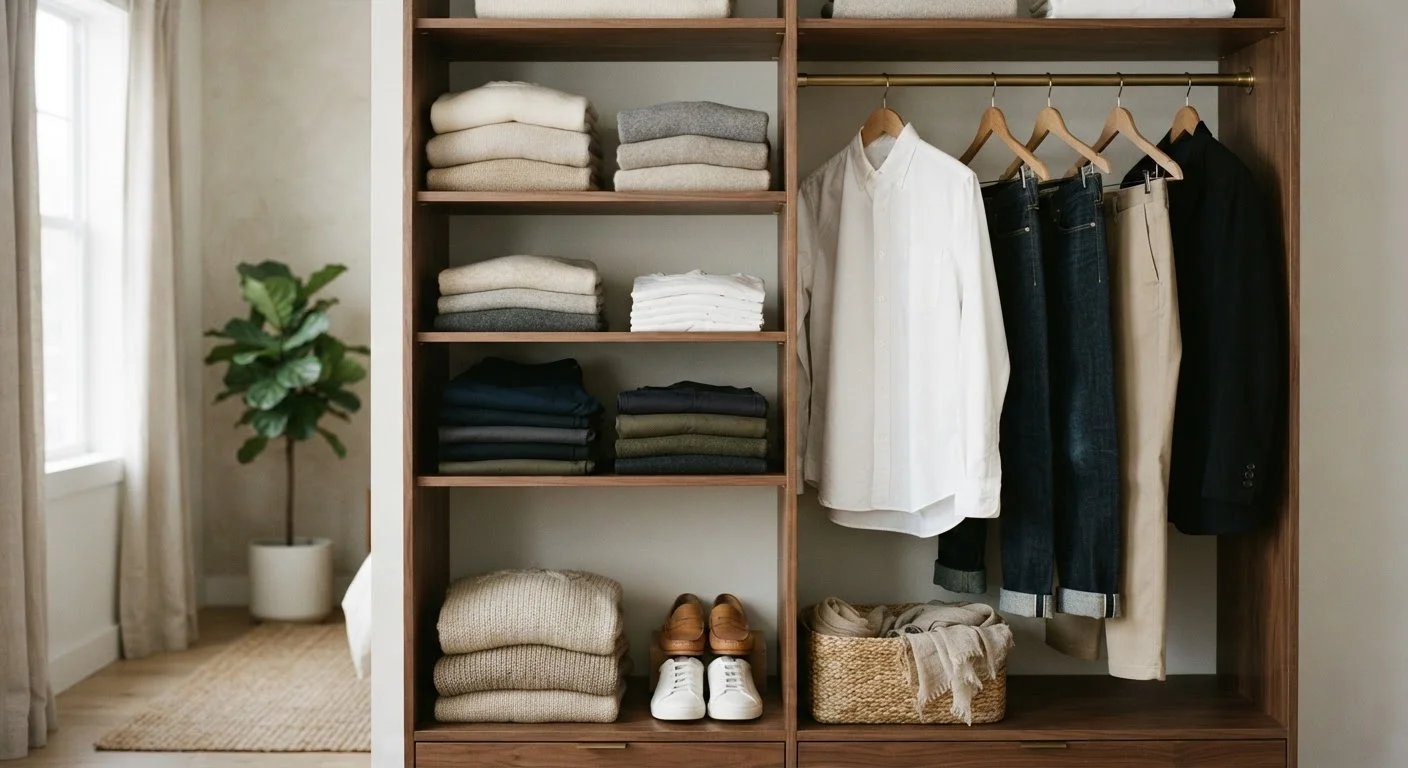
Key Takeaways
- A small set of versatile clothing pieces solves more styling problems than a full but unfocused closet.
- Anchor pieces work across multiple dress codes, seasons, and occasions without requiring complete outfit overhauls.
- Fit and fabric matter more than price tag when evaluating whether a piece earns its closet space.
- Neutral, adaptable items reduce daily decision fatigue and make outfits feel intentional with less effort.
- Building a functional wardrobe is a gradual process — not a one-time shopping event.
Why Certain Pieces Keep Showing Up
Most people have experienced the paradox: a closet full of clothes and yet nothing that feels right to wear. The problem is rarely quantity. It's the absence of what stylists and wardrobe consultants sometimes call anchor pieces — items that don't demand attention but make everything around them work harder.
These aren't trendy statement pieces or seasonal impulse buys. They're the items that quietly earn their hanger space by solving real, recurring styling problems: the morning rush, the unexpected meeting, the dinner that could go formal or relaxed. As we explore in why owning more clothes doesn't always mean more outfits, intentional mix-and-match thinking is what separates a functional wardrobe from a frustrating one.
The pieces listed here appear consistently across diverse wardrobes — different budgets, different body types, different lifestyles. None of them are magic. But together, they form a foundation that makes getting dressed feel less like a problem to solve.
Evaluate What You Already Own First
Before identifying gaps in your wardrobe, take an honest inventory of what's already there. Many people discover they already own several anchor pieces — they're just in poor condition, a less useful color, or buried under impulse purchases that don't combine well with anything else. Replacing one worn-out basic thoughtfully often adds more outfit flexibility than buying something entirely new.
The Wardrobe Anchors Worth Knowing
A well-fitted dark wash or straight-leg trouser
Trousers in a dark, clean wash or neutral tone — navy, charcoal, black, or khaki — handle more dress codes than almost any other bottom. They read as polished in professional settings and casual in relaxed ones, depending entirely on what they're paired with. The key variable here is fit: a trouser that skims the body without pulling or sagging looks intentional regardless of price point. As explored in how fit differs from size, garment size labels vary wildly — trusting how a piece drapes over how the tag reads is a more reliable guide.
One well-fitted trouser covers more dress codes than an entire shelf of poorly fitting alternatives.
A structured, layering-ready jacket or blazer
A jacket with some structure — whether that's a tailored blazer, a clean chore coat, or a simple unlined cotton jacket — functions as a styling shortcut. It signals intentionality without requiring a formal outfit underneath. Thrown over a T-shirt, it elevates. Removed and carried, it doesn't overheat. For understanding where a blazer falls across different contexts, dress code definitions offer useful reference points without the guesswork.
A structured jacket signals intentionality whether worn over a T-shirt or a button-down.
A plain, well-constructed crew or V-neck tee
This is the piece most people underinvest in — and then wonder why their outfits feel off. A quality T-shirt in a neutral tone (white, grey, navy, black) functions as a base layer, a standalone casual top, and a blank canvas under every jacket or cardigan in the wardrobe. The word "quality" here doesn't mean expensive; it means the fabric holds its shape, the seams sit where they should, and the color stays true after washing. How washing habits affect garment longevity matters more for basics like tees than for almost anything else.
A quality neutral tee is the most underrated piece in any functional wardrobe.
Dark, straight-cut or slim denim
Denim that reads clean — meaning minimal distressing, a consistent dark or mid wash, and a silhouette that's neither overly relaxed nor uncomfortably narrow — crosses contexts more freely than most casual bottoms. It works for weekend errands, low-key social events, creative work environments, and travel. Denim's durability makes fit the primary investment: a pair that fits well at the waist and hem requires less frequent replacement than a cheaper option that warps after a few washes. Understanding fabric content helps explain why some denim holds up significantly better than others.
Clean, well-fitting denim travels across more contexts than almost any other casual bottom.
A button-down shirt in a neutral or versatile print
The button-down is the wardrobe's great shapeshifter. Fully buttoned and tucked, it reads as polished. Left open over a tee, it's casual. Rolled sleeves change the register entirely. A solid white or light blue reads as classic; a subtle stripe or small-scale print adds visual interest without narrowing styling options. The fabric choice matters here: a cotton or cotton-blend version breathes across seasons and layers well under sweaters in cooler months — a topic covered more fully in transitioning your wardrobe between seasons.
A button-down shirt changes register dramatically with nothing more than a sleeve roll or untuck.
A medium-weight layer — cardigan, zip, or clean knit
The mid-layer is often missing from wardrobes that toggle uncomfortably between too warm and too cold. A cardigan, crew-neck sweatshirt, or simple knit pullover in a neutral tone serves as the connector between inner layers and outerwear. It adds visual interest to a plain tee-and-trouser combination while remaining easy to remove when temperatures shift. Color choice here has outsized impact: a mid-layer in a tone that already works with your existing wardrobe multiplies outfit combinations without adding new pieces. Practical color coordination principles make this kind of decision much more intuitive.
A neutral mid-layer quietly multiplies outfit options by connecting pieces that wouldn't otherwise pair.
These Pieces Look Different on Everyone
Wardrobe anchors aren't a uniform. A structured jacket might mean a linen blazer in a warm climate and a wool topcoat in a colder one. "Dark trouser" covers everything from tailored wool to ponte knit, depending on your lifestyle. The concept is about function and versatility — not a specific silhouette or aesthetic. For a broader framework on building with intention, the capsule wardrobe approach offers useful context.
How to Use This as a Starting Point
This list isn't prescriptive. Not every piece will make sense for every person's climate, workplace, or aesthetic. The goal is to recognize which of these already exist in your closet — and whether they're actually doing the job they're supposed to do. A closet audit is often the most useful first step before adding anything new.
If you're starting from a limited budget, building a wardrobe from scratch walks through which categories to prioritize first. And if you're not sure whether a piece actually fits well or just fits, understanding fit versus size can sharpen how you evaluate what you own and what you consider buying.
A functional wardrobe doesn't happen all at once. It develops gradually through deliberate choices — and it looks different for everyone. The anchor pieces described here are a framework, not a uniform.