

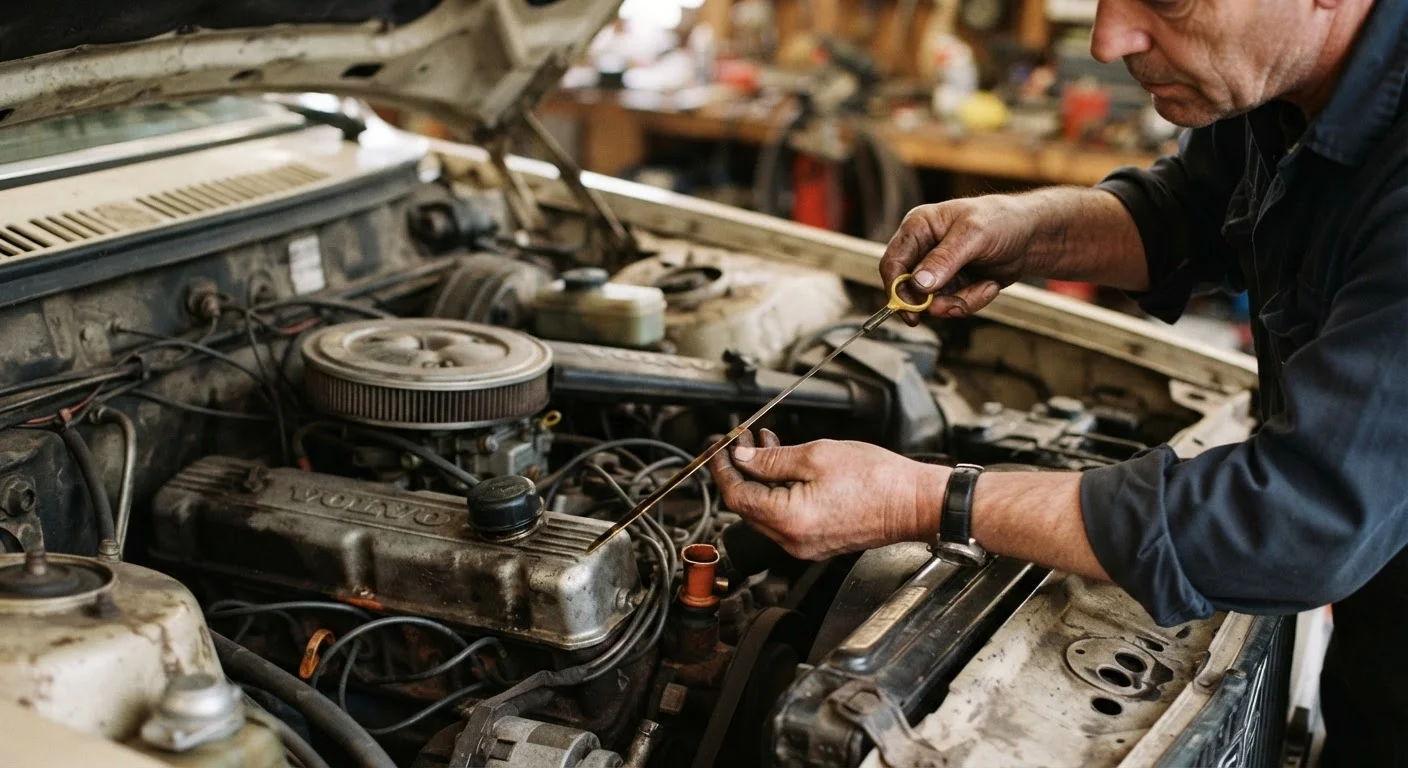
Key Takeaways
- High-mileage vehicles need more frequent fluid checks and seal inspections than newer cars.
- Switching to a high-mileage oil formulation can help reduce leaks and consumption in older engines.
- Cooling system health is one of the most critical — and overlooked — factors in longevity.
- A detailed maintenance log helps you track patterns and catch problems before they escalate.
- Some components, like timing belts and rubber hoses, have age-based replacement intervals regardless of mileage.
What Changes After High Mileage
There's no universally agreed threshold, but many mechanics and manufacturers use 75,000–100,000 miles as a rough marker where a vehicle's maintenance needs begin to shift. Seals become more porous, fluids degrade faster, and components that were once an afterthought — coolant hoses, valve cover gaskets, motor mounts — start to deserve regular attention.
That doesn't mean a high-mileage vehicle is unreliable. Plenty of well-maintained cars reach 200,000 miles and beyond. The key is shifting from a reactive mindset to a proactive one. See our maintenance schedule guide for a solid baseline — then layer on the additional practices below.
Core Practices for Keeping Older Vehicles Running
The following practices address the specific vulnerabilities that accumulate with age and mileage. Prioritize the ones most relevant to your vehicle's current condition.
Switch to a high-mileage engine oil formulation
Oils labeled for high-mileage engines typically contain seal conditioners that help reduce minor leaks and consumption — common issues in older engines. Using the right viscosity for your engine's wear stage can also reduce metal-on-metal friction. Always verify the viscosity rating against your owner's manual.
Inspect and flush the cooling system on a defined schedule
Coolant degrades over time, losing its corrosion inhibitors. Degraded coolant can corrode aluminum components, clog the radiator, and ultimately cause overheating — one of the most damaging failures an engine can experience. Rubber hoses also harden and crack with age, independent of mileage.
Replace rubber hoses, belts, and gaskets on time — not just on symptoms
Rubber components degrade due to heat cycling and age, not just use. A timing belt that appears intact can still fail without warning if it's past its service interval. Waiting for visible cracks or leaks is too late for components whose failure can cause extensive engine damage.
Monitor and maintain all fluids more frequently than the standard schedule
Brake fluid absorbs moisture over time, lowering its boiling point and increasing corrosion risk in the brake system. Transmission fluid darkens and loses its friction-modifier properties. On a high-mileage vehicle, extending these intervals carries more risk than on a newer one.
Pay close attention to battery condition and charging system health
A battery older than four to five years is statistically more likely to fail, particularly in temperature extremes. On high-mileage vehicles, the alternator and voltage regulator also accumulate wear. A weak charging system stresses the battery and can damage sensitive electronics over time.
Keep tires properly inflated and rotated to compensate for suspension wear
As suspension components wear, alignment can shift slightly — causing uneven tire wear patterns that accelerate tire degradation. Proper inflation helps counteract some of this, and regular rotation spreads wear more evenly. Addressing the root cause — worn tie rods, ball joints, or control arm bushings — is the longer-term fix.
Quick Actions You Can Take This Week
You don't need a full weekend to improve your car's odds of long-term reliability. These targeted actions take minutes and can catch problems early.
Before a Long Trip, Do a Full Walkthrough
High-mileage vehicles are more vulnerable to minor issues escalating under sustained highway stress. Before any long drive, run through a basic inspection covering fluid levels, tire condition, lights, and brakes. Our pre-road-trip inspection guide outlines exactly what to check.
Tracking Is Part of the Job
On a high-mileage vehicle, patterns matter as much as individual readings. If your coolant level drops a little every month, that's a clue — even if it never reaches crisis point. Keeping a detailed maintenance log lets you spot slow trends that would otherwise be invisible across dozens of service intervals.
Note fluid top-off amounts, unusual sounds, and any warning lights — even ones that resolve on their own. Over time, this record becomes your best diagnostic tool. It's also worth budgeting honestly for what older vehicles cost. The maintenance costs that catch drivers off guard tend to cluster in exactly the components that age fastest.
Skipping Maintenance Gets More Costly With Age
On a newer vehicle, a missed oil change or delayed fluid flush is often low-stakes. On a high-mileage vehicle, the same delay can trigger a chain of failures — worn seals, overheating, or transmission slip. The hidden costs of skipping maintenance compound faster the older your vehicle gets.
This article is for general informational purposes only. For diagnosis of specific mechanical problems or before undertaking repairs, consult a qualified mechanic.