

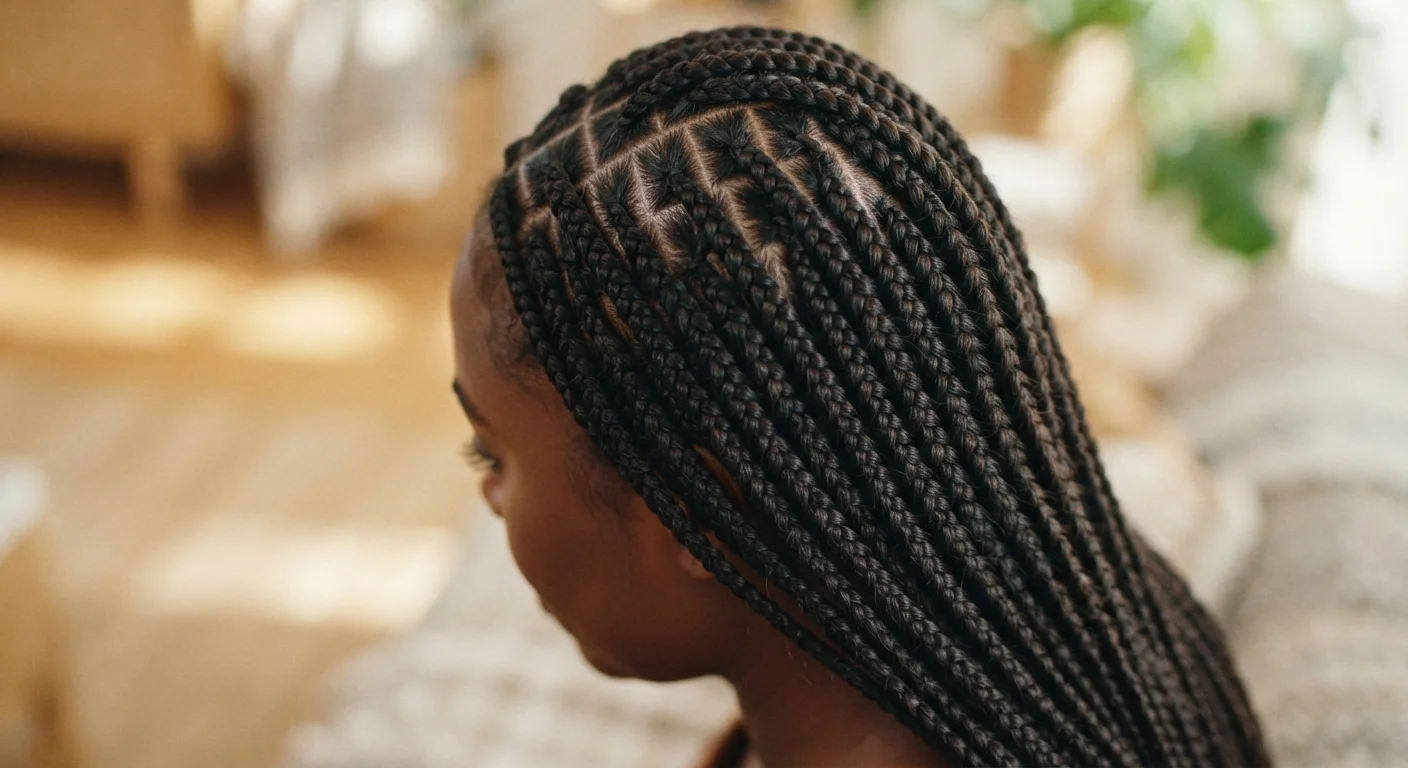
Key Takeaways
- Tension at the root is the leading cause of damage from protective styles, not the style itself.
- Scalp care cannot be paused during a protective style — it requires consistent, adapted maintenance.
- Keeping protective styles in beyond the recommended timeframe often causes more harm than going unstyed.
- Moisturizing the hair and scalp underneath a style is essential to retaining length and preventing breakage.
- Taking breaks between styles allows follicles to recover and reduces the risk of traction alopecia.
What Protective Styling Actually Means
Protective styling refers to hairstyles that tuck away the ends of your hair — the oldest, most fragile part of each strand — and minimize daily manipulation. Common examples include braids, twists, cornrows, buns, and updos. The underlying principle is simple: less friction and environmental exposure typically means less breakage over time.
But the word "protective" can be misleading. A style is only genuinely protective if the scalp and follicles beneath it are also being cared for. When tension, product buildup, or extended wear become factors, a style that was meant to preserve hair can quietly cause harm. Understanding this distinction is the starting point for doing protective styling well. For a broader look at how your strands signal overall health, see what your strands reveal about your body.
Core Practices for Healthy Protective Styling
The following principles are grounded in widely shared guidance from trichologists and hair care professionals. They apply regardless of hair texture, style choice, or lifestyle.
Always start a protective style on clean, well-moisturized hair.
Installing braids or twists on dry, dirty hair traps debris against the scalp and creates an environment for irritation and fungal buildup. Well-moisturized hair is also more pliable, which reduces the tension required to secure a style.
Insist on tension you can tolerate from the first hour of installation.
Soreness that persists beyond 24–48 hours after installation is a signal that tension is excessive — not a normal part of the process. Chronic pulling at the hairline and scalp stresses the follicle and can, over time, contribute to traction alopecia.
Maintain moisture access to both the hair and scalp throughout the style's duration.
Hair tucked inside braids or twists still loses moisture, especially in dry or air-conditioned environments. Without regular hydration, strands become brittle and are more likely to break when the style is eventually removed.
Remove styles gently and with ample time — never rush the takedown.
Hurried removal is one of the most common causes of breakage during the protective styling process. New growth that has tangled with the styled hair during wear needs patient detangling before any pulling occurs.
Give your hair a meaningful rest period between protective styles.
Follicles and scalp tissue need recovery time between styles, particularly if tension was involved. Moving immediately from one installed style to the next does not allow the scalp to reset and can compound cumulative stress.
Scalp Care During a Protective Style
One of the most common misconceptions about protective styling is that it allows you to step away from your hair care routine entirely. In reality, the scalp continues producing sebum, accumulating debris, and experiencing dryness or irritation — all behind a layer of styled hair that makes access more difficult.
Keep Your Scalp Accessible During a Style
Use a pointed applicator bottle to direct lightweight product directly to your parts without disrupting the style itself. Look for water-based formulas rather than heavy creams or butters, which can cause buildup and block follicles over weeks of wear. A gentle scalp massage along the parts — without tugging — can also help maintain circulation.
Lightweight, water-based sprays or diluted scalp serums can reach the scalp through braids or twists without leaving heavy residue. Gentle massage along the parts — without pulling on the style — supports circulation. For a structured approach to assessing your scalp's condition between washes, the weekly hair wellness audit offers a practical self-check routine. You can also explore foundational scalp care principles in our guide to building a scalp care routine that actually works.
Quick Wins to Protect Your Hair Today
Even small, immediate adjustments can meaningfully reduce the risk of damage during a protective style. Start with these actions before or during your next style.
Nighttime habits also play a larger role than many people realize. Sleeping with a satin or silk bonnet, or on a silk pillowcase, reduces friction against your edges and the perimeter of any style. See what actually happens to your hair while you sleep for a clear breakdown of which nighttime practices genuinely matter.
Knowing When to Take a Break
Protective styling is most effective when treated as one phase of a cyclical hair care approach — not a permanent state. Dermatologists generally recommend leaving most braided or twisted styles in for no longer than six to eight weeks, though this varies by individual hair health, style type, and maintenance quality.
Timeframes Vary by Individual
General guidelines for how long to keep a protective style in place are just that — general. Fine or low-density hair may show stress sooner than thicker strands. Hair that is color-treated or chemically processed also tends to be more vulnerable to breakage from tension. Pay attention to your own hair's signals rather than a fixed calendar rule, and consult a professional if you're unsure what's appropriate for your hair type.
Signs that a style has been worn too long include visible new growth tangling at the base, soreness or tenderness along the hairline, matting inside the style, or increased shedding upon removal. If you notice thinning at the temples or crown after repeatedly wearing tight styles, consult a dermatologist or trichologist. Traction alopecia — hair loss caused by chronic tension — is progressive but often preventable when caught early. Your overall hair care needs also shift across life stages; the end-to-end hair wellness perspective covers how to adapt your approach over time.
This article is for general informational purposes only and does not constitute medical or dermatological advice. If you experience scalp pain, significant hair shedding, or signs of hair loss, consult a qualified healthcare professional.