

Key Takeaways
- Bad breath in pets is a clinical sign, not a normal or inevitable condition.
- Dry kibble does not clean teeth — mechanical brushing remains the gold standard.
- Dental disease affects most adult pets and is linked to systemic health complications.
- Annual veterinary dental exams are recommended regardless of home care routines.
- Cats need dental care just as much as dogs, but their needs are often overlooked.
Why Dental Myths Persist — and Why They Matter
Pet dental disease is among the most common conditions veterinarians diagnose, yet it remains one of the least addressed by owners at home. A major reason is a cluster of durable misconceptions that make dental care seem either unnecessary or already handled. These beliefs are not harmless: untreated periodontal disease causes chronic pain, tooth loss, and — according to veterinary research — may contribute to systemic inflammation affecting the heart, kidneys, and liver.
The Pet Health & Wellness hub covers the full spectrum of preventive care, but dental health deserves its own focused look because the myths surrounding it are so specifically misleading. Below, we address the most consequential ones.
Myth
Bad breath is just a normal part of having a dog or cat — it's nothing to worry about.
Fact
Persistent bad breath (halitosis) is a clinical indicator of bacterial overgrowth, plaque buildup, or underlying disease and should prompt a veterinary evaluation.
The idea that "doggy breath" is simply how dogs smell has allowed generations of pets to go undiagnosed with significant oral disease. Healthy mouths — even in animals — should not produce a strong, offensive odor. When they do, it is typically because anaerobic bacteria are metabolizing proteins in accumulated plaque and tartar, releasing volatile sulfur compounds. In some cases, severe halitosis can signal conditions beyond the mouth, including kidney disease or metabolic disorders. If your pet's breath is noticeably unpleasant, it warrants a conversation with your veterinarian rather than a dental treat.
Myth
Feeding dry kibble is enough to keep a pet's teeth clean.
Fact
Dry food provides minimal mechanical cleaning and cannot substitute for regular tooth brushing or professional dental scaling.
This myth persists partly because kibble does have a slightly more abrasive texture than wet food — but the effect is modest at best. Most kibble shatters on contact before it reaches the gumline, where plaque and tartar actually accumulate. The American Veterinary Dental College (AVDC) notes that toothbrushing remains the most effective at-home method for reducing plaque. Some specially formulated dental diets with a larger kibble designed to scrub the tooth surface have demonstrated measurable benefit, but standard kibble has not. Diet alone is not a dental care plan. For a broader look at how feeding choices affect pet health, see common feeding mistakes that can have quiet but lasting consequences.
Myth
Cats don't need dental care the way dogs do.
Fact
Cats are equally susceptible to periodontal disease and tooth resorption, a painful condition unique to felines that often goes undetected without professional examination.
Cats are stoic animals that rarely display obvious pain, which contributes to the widespread underestimation of feline dental problems. Studies cited in veterinary literature estimate that 50–90% of cats over age four show some evidence of dental disease. Tooth resorption — where the tooth structure breaks down from within — affects a significant portion of the adult feline population and is rarely apparent to owners until advanced. Routine oral examinations and periodic professional cleanings under anesthesia are as important for cats as they are for dogs.
Myth
If my pet is still eating normally, their teeth must be fine.
Fact
Pets commonly continue eating despite significant oral pain, making normal appetite an unreliable indicator of dental health.
Survival instinct means most animals mask discomfort and continue to eat even when oral disease is advanced. Owners often discover their pet had severe periodontal disease or fractured teeth only after a veterinary examination performed for an unrelated reason. Behavioral cues — dropping food, chewing on one side, reluctance to play with toys, or changes in grooming behavior in cats — can be subtle signals that something is wrong. Relying solely on appetite as a dental health barometer puts pets at risk of prolonged, unaddressed pain. This is explored further in our guide to dental disease as an overlooked problem.
Myth
Anesthesia-free dental cleanings are a safe, effective alternative to professional cleanings.
Fact
The AVDC and most veterinary professional bodies oppose anesthesia-free dental procedures as inadequate and potentially harmful.
Anesthesia-free cleanings may remove visible tartar from the crown of the tooth, creating the cosmetic appearance of cleanliness. However, they cannot safely address the area below the gumline — where periodontal disease actually develops — and the stress of restraint can be harmful to the animal. The AVDC's position statement makes clear that a proper dental cleaning requires general anesthesia to allow full-mouth radiographs, subgingival scaling, and thorough examination. Choosing an anesthesia-free cleaning over a proper procedure may delay necessary treatment while giving owners false assurance.
Building a Realistic Dental Care Routine
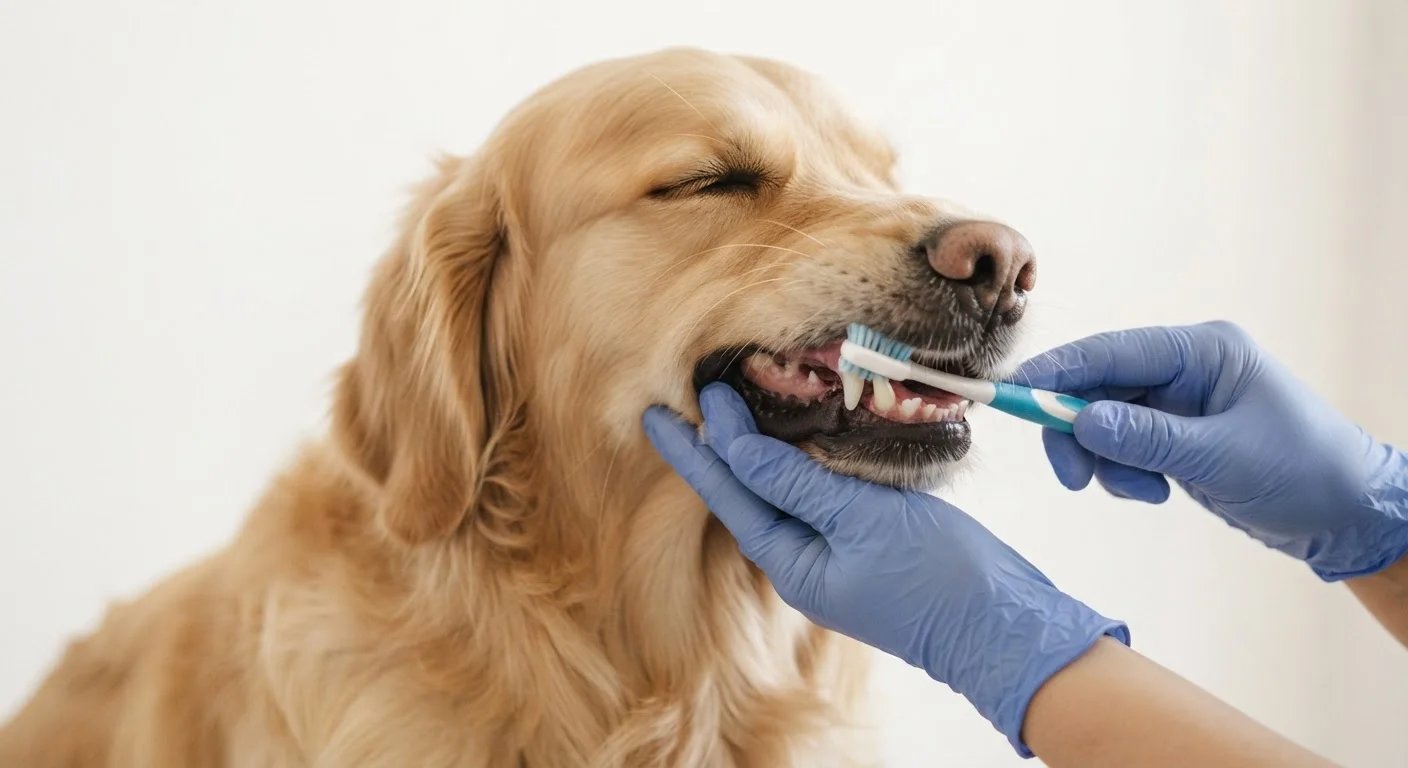
Once the myths are cleared away, a practical picture emerges. Daily tooth brushing with a pet-specific toothpaste (never human toothpaste, which contains ingredients toxic to animals) is the single most impactful home intervention. If your pet resists brushing, dental wipes, water additives with the Veterinary Oral Health Council (VOHC) seal, and approved dental chews can provide supplementary benefit — though none replaces brushing.
Never Use Human Toothpaste on Pets
Human toothpastes frequently contain xylitol, fluoride, or both — substances that are toxic to dogs and cats. Even small amounts of xylitol can cause a rapid drop in blood sugar and liver damage in dogs. Always use toothpaste formulated specifically for pets, and look for products that carry the VOHC seal of acceptance as evidence of demonstrated efficacy.
Annual oral examinations are recommended for most adult pets; your veterinarian may suggest more frequent professional cleanings depending on your pet's breed, age, and oral health history. Small-breed dogs and brachycephalic breeds (those with flat faces, like Bulldogs and Pugs) are particularly prone to dental crowding and early disease. Genetics play a role, but consistent home care meaningfully influences outcomes regardless of predisposition.
Dental health intersects with broader wellness decisions. If you're evaluating how diet affects your pet's overall health, our article on raw diet vs. conventional kibble offers a research-grounded comparison. And for a wider look at persistent misconceptions in pet care, common pet health myths is a useful companion read.
This article is for general informational purposes only and does not constitute veterinary advice. Always consult a licensed veterinarian for guidance specific to your pet's health needs.