

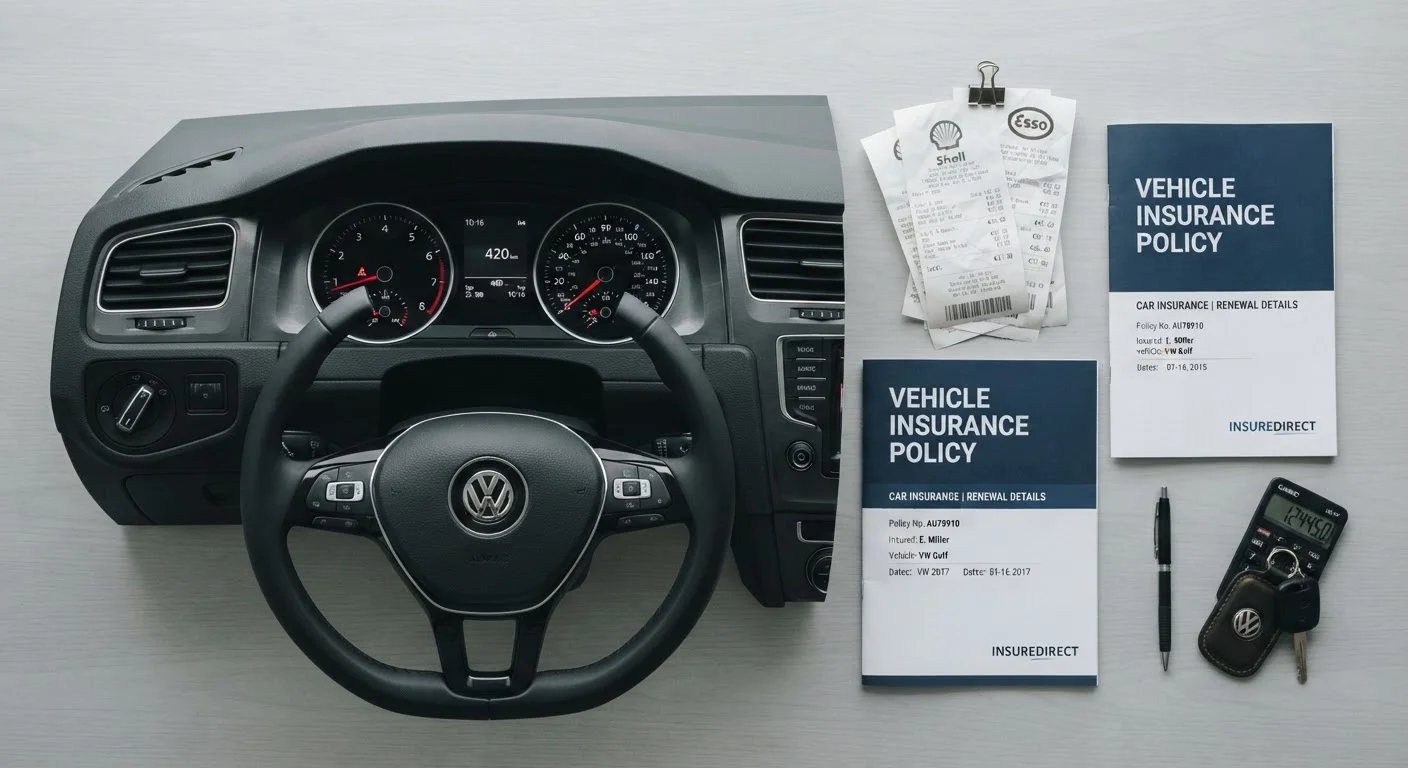
Why a Cost Category Reference Matters
Most drivers underestimate what their vehicle actually costs each year. The sticker price captures attention, but ongoing expenses — spread across fuel, insurance, maintenance, and more — often exceed the initial purchase price over a typical ownership period. For a deeper look at overall spending patterns, see what drivers actually spend each year.
This reference organizes the standard expense categories so drivers can account for each one when building a realistic budget. Ranges below reflect general US averages and vary by vehicle type, location, driving habits, and individual circumstances.
Core Expense Categories and Typical Annual Ranges
Depreciation
Depreciation is typically the single largest ownership cost. A new vehicle can lose 15–25% of its value in the first year alone, with cumulative five-year loss commonly reaching 50–60%. Used vehicles depreciate more slowly, making the annual hit smaller but still significant.
Fuel
Annual fuel costs depend on miles driven, local gas prices, and vehicle efficiency. A driver logging 15,000 miles per year in a mid-size sedan averaging 30 mpg might spend roughly $1,500–$2,500 annually at typical US pump prices, while a larger truck or SUV with lower fuel economy could push that figure considerably higher.
Insurance
Auto insurance premiums vary widely based on coverage level, driver history, vehicle type, and state regulations. National average annual premiums range from roughly $1,200 to over $2,000 for full coverage. To understand the categories that make up a policy, see core insurance coverage types.
Financing (Interest)
Drivers who finance a vehicle pay interest on top of the principal. On a $30,000 loan at a 7% APR over 60 months, total interest paid approaches $5,600. Interest costs vary with loan size, term length, and creditworthiness.
Maintenance and Repairs
Routine upkeep — oil changes, tire rotations, air filters, fluid flushes — typically runs $500–$900 per year for a well-maintained vehicle. Unexpected repairs (brakes, belts, suspension components) can add hundreds to thousands more. Expenses that frequently catch drivers off guard include tires and timing belt replacements. For general upkeep guidance, see essential car maintenance tips.
Tires
A full set of replacement tires for a standard passenger vehicle commonly costs $400–$800 installed, with premium or performance fitments running higher. Annualized over a typical 40,000–60,000-mile tire lifespan, this contributes roughly $100–$200 per year.
Registration, Taxes, and Fees
State registration fees and annual property taxes on vehicles range from under $100 to several hundred dollars depending on the state and vehicle value. Some states assess an annual ad valorem tax tied directly to the vehicle's assessed value.
Parking, Tolls, and Miscellaneous
These costs are easy to overlook but can add $500–$1,500 or more per year for urban drivers. Hidden ownership costs such as roadside assistance memberships and car washes also fall into this category.
Depreciation
The reduction in a vehicle's market value over time due to age, mileage, and condition. It is often the largest single component of annual ownership cost, especially for new vehicles in their first few years.
Full Coverage Insurance
A common term for a policy that combines liability, collision, and comprehensive coverage. It is not a standardized product, so actual coverage details vary by insurer and policy.
Ad Valorem Tax
A tax assessed as a percentage of a vehicle's assessed or market value, collected annually in some US states as part of vehicle registration.
APR (Annual Percentage Rate)
The yearly cost of borrowing expressed as a percentage, including interest. For auto loans, a lower APR reduces total interest paid over the life of the loan.
Fixed Ownership Costs
Costs that remain consistent regardless of how much you drive, such as loan payments, insurance premiums, and registration fees.
Variable Ownership Costs
Costs that change based on usage or circumstances, including fuel, tolls, parking, and unplanned repairs.
Putting the Numbers Together
Understanding which costs are fixed and which fluctuate month to month is a key step in accurate budgeting. Fixed vs. variable car costs explains how to separate predictable line items from variable ones. Once you have a category-by-category estimate, you can move toward a full spending plan using the monthly vehicle budget walkthrough.
~$12,000
Estimated average annual cost to own and operate a new vehicle
According to AAA's Your Driving Costs research, total ownership costs for a new mid-size sedan have exceeded $10,000–$12,000 annually in recent study years.
50–60%
Typical five-year cumulative depreciation on a new vehicle
Industry estimates consistently show most new vehicles lose roughly half their value within five years of purchase.
This article is for general informational and educational purposes only. Cost figures represent broad US averages and are not guarantees of what any individual driver will pay. Consult appropriate licensed professionals for insurance, tax, or financial guidance specific to your situation.