

Key Takeaways
- Lithium-ion batteries don't need full charge cycles — partial charges are healthier.
- Modern smartphones have built-in safeguards that prevent overnight overcharging damage.
- Keeping your battery between 20% and 80% consistently extends its long-term lifespan.
- Heat, not charging frequency, is the single biggest threat to battery health.
- Third-party chargers aren't inherently dangerous if they meet established safety certifications.
Why So Much Charging Advice Is Outdated
Smartphone users have carried charging habits across technology generations — advice that made sense for 1990s nickel-cadmium batteries has outlived its relevance by decades. Meanwhile, lithium-ion chemistry, which now powers virtually every portable device, behaves fundamentally differently. Understanding a few core principles helps you make better decisions without obsessing over every percentage point.
The underlying truth is that lithium-ion batteries age through a combination of charge cycles, sustained high voltage, and — most significantly — heat. Most charging myths either ignore these real variables or misattribute the cause of degradation. For a deeper look at how everyday habits affect battery performance, see our guide on what actually drains your battery faster.
Myth
You should always charge your phone to 100% and let it drain completely before charging again.
Fact
Lithium-ion batteries used in modern smartphones are optimized for partial, frequent charges — not full charge cycles.
The "full cycle" habit comes from older nickel-cadmium (NiCd) battery technology, which suffered from a "memory effect" if not fully discharged. Lithium-ion batteries, which power every modern smartphone, don't have this problem. Each time a lithium-ion cell charges from 0% to 100%, it completes what's called a charge cycle, and each cycle contributes incrementally to wear. Keeping the battery in a mid-range state — roughly 20% to 80% — puts less electrochemical stress on the cells and can meaningfully extend the battery's usable lifespan over time.
Myth
Leaving your phone plugged in overnight ruins the battery.
Fact
Contemporary smartphones stop actively charging once they reach 100%, protecting the battery from overcharge damage.
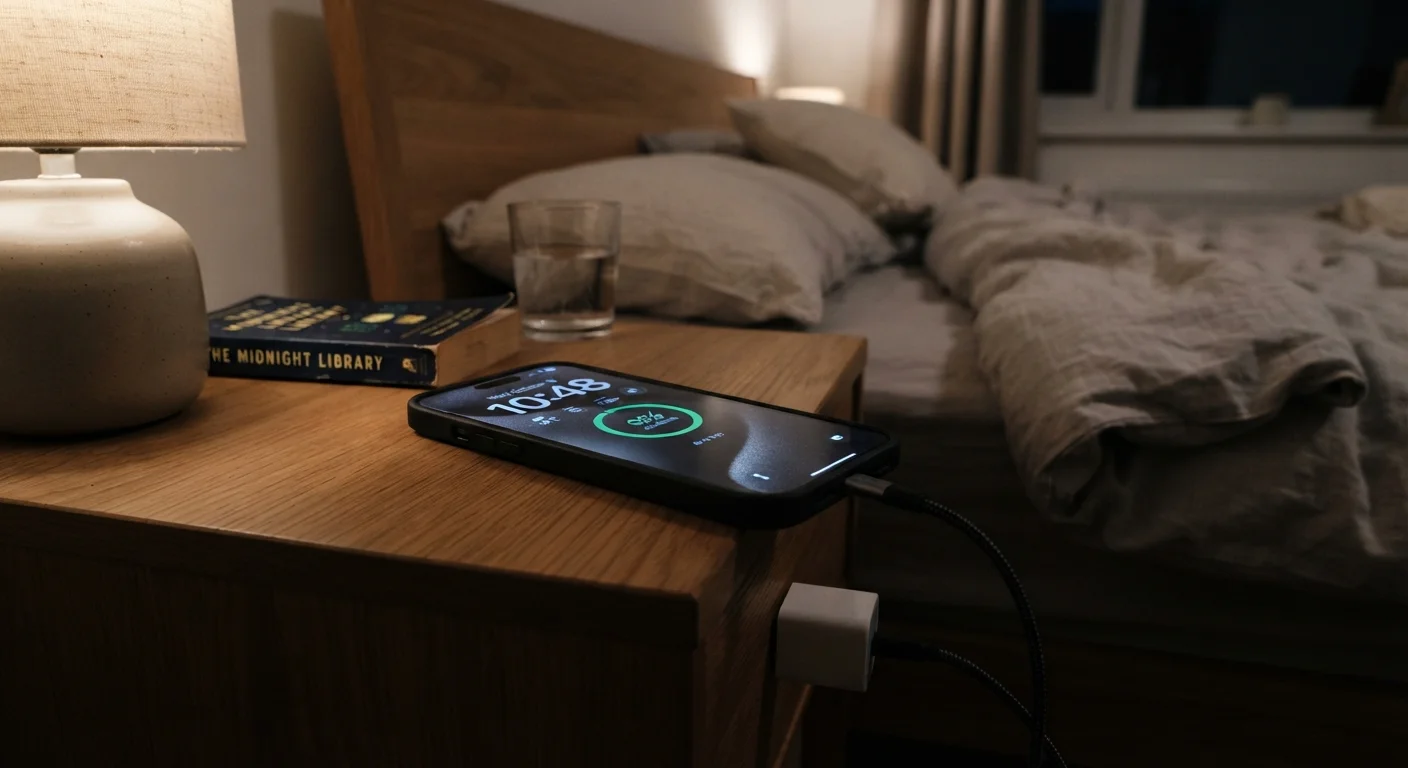
Modern devices include battery management circuits that halt the charge current when full capacity is reached. However, some nuance applies: phones may trickle-charge to compensate for minor passive drain overnight, which keeps the battery at 100% for extended periods — a state known as high-state-of-charge stress. iOS and Android both offer "Optimized Charging" features that learn your sleep schedule and delay the final charge top-up until shortly before you typically wake up. Enabling this setting is a simple, effective way to reduce that sustained high-voltage exposure.
Myth
Using your phone while it charges is harmful and damages the battery.
Fact
Normal use while charging is safe and does not cause measurable battery damage under typical conditions.
The concern here is usually about heat: if you're doing something processor-intensive — like gaming or video streaming — while charging, the combination of heat from processing and heat from charging can raise device temperature. Elevated heat is a genuine battery stressor. But casual use, such as texting, browsing, or taking calls, generates minimal extra heat and poses no meaningful risk. The practical takeaway is to avoid sustained heavy workloads while fast-charging, and remove your phone from a case if it feels notably warm during charging.
Myth
Third-party chargers are dangerous and will always damage your phone.
Fact
Certified third-party chargers that meet recognized safety standards are generally safe for everyday use.
The real risk lies in uncertified, unbranded chargers sourced from unknown manufacturers — these may lack proper voltage regulation and surge protection. Chargers carrying recognized certification marks (such as UL in the US) have been tested against defined electrical safety benchmarks. Many third-party charger makers produce products that meet or exceed these standards. The smart approach is to check for safety certifications before purchasing, and to avoid chargers with no identifiable brand or compliance markings, regardless of price.
Myth
Fast charging is bad for your battery and should be avoided whenever possible.
Fact
Fast charging is engineered to be safe; its thermal impact is the real variable to watch.
Fast-charging protocols — such as Qualcomm Quick Charge, USB Power Delivery, and manufacturer-specific implementations — are designed with thermal management in mind. The charging rate typically reduces as the battery fills, with the fastest speeds applying only in the lower charge range where heat generation is more controllable. Using fast charging occasionally to top up quickly is unlikely to meaningfully shorten battery life. Chronic fast charging in hot environments, or while the phone is enclosed in an insulating case, creates more cumulative heat stress than the fast-charging protocol itself.
What Actually Matters for Long-Term Battery Health
Once you clear away the myths, a clearer picture emerges. Battery longevity comes down to three practical factors: managing charge levels, controlling heat, and using certified hardware.
~500
Typical lithium-ion full charge cycles before notable capacity loss
Battery manufacturers generally rate lithium-ion cells to retain around 80% capacity after approximately 500 full charge cycles under standard conditions.
20–80%
Recommended charge window for longevity
Battery researchers broadly suggest keeping lithium-ion batteries in this range to minimize electrochemical stress and slow capacity degradation over time.
~35°C
Temperature threshold above which battery aging accelerates
Electrochemical research indicates that sustained exposure above roughly 35°C (95°F) significantly increases the rate of lithium-ion capacity loss.
Heat is the most underappreciated threat. Leaving a phone on a sun-exposed car dashboard, charging it while it's running a navigation app in a hot car, or consistently using it in a case that traps heat — these scenarios inflict more cumulative damage than whether you charge to 85% or 100%. Charging slowly overnight in a cool room is genuinely gentler on cells than fast-charging in a 90°F environment.
For most users, the most impactful change is enabling your phone's built-in optimized charging feature and avoiding leaving it in high-heat environments. Both steps require minimal effort and address the two largest real-world drivers of battery aging. If you're also thinking about the broader smart energy footprint of your devices, home tech that genuinely saves energy is worth reading alongside this piece.
Heat Is the Biggest Battery Killer
Charging your phone while it's in a thick case, sitting in direct sunlight, or running a demanding app simultaneously can push device temperatures well above the thresholds where battery aging accelerates. Remove the case during fast charging if your phone feels warm to the touch, and keep it out of direct sun — especially in a parked vehicle. These precautions matter more than tracking your exact charge percentage.